By: TechVanguard – SeaPRwire – Most software updates promise the moon and deliver a checkbox. Maxon’s Fall 2026 release, shipping the 2027.0 versions of Cinema 4D, ZBrush, Redshift, Red Giant and Autograph, feels different. It targets the exact friction points artists complain about in daily production. Bigger environments. Faster feedback. Fewer app switches. That is the real pitch.
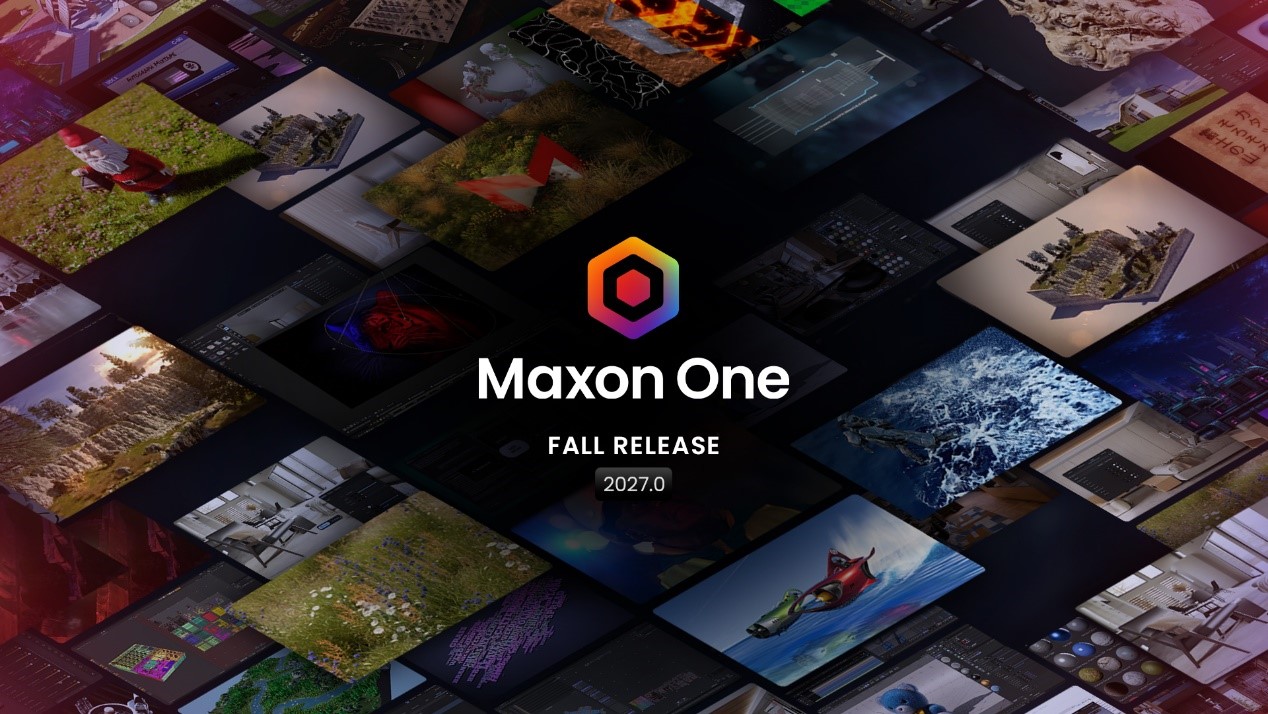
Look at the official list first. Cinema 4D 2027.0 adds a full Scatter System. The new Scatter Generator and Scatter Tag handle distribution, filtering, clustering and transforms. They plug straight into MoGraph Fields and Effectors so artists can shape and animate the scatter without leaving the familiar toolset. Liquid FX joins the unified simulation system. Foam, spray and bubbles generate automatically from the liquid and respond to its motion. The release also tightens the Cinema 4D–Redshift link, improves ACES 2.0 alignment and adds everyday quality-of-life fixes. ZBrush gets a native UV Editor built on Cinema 4D technology. It supports UDIMs and texel density so artists can create and refine UVs without exporting. Selection Sets let users save and recall Polygroups, masks, Polypaint, morph targets and UV layouts. On iPad, Spotlight arrives for reference and projection work. Non-destructive 3D Layers let artists experiment with sculpting, polypaint and masking without locking changes. Redshift reworks its memory architecture for better efficiency across hardware. Interactivity jumps so changes to lights, materials or scene elements show up faster. Artists can drag Cinema 4D objects, Cloners and particle systems straight into material workflows and the Node Editor. A new procedural system generates fur, fibers, textiles and knitted materials at render time. NVIDIA RTX Spark support expands the hardware range. Red Giant adds Scene Light, an AI-powered depth-aware relighting tool inside After Effects. Artists place interactive lights for muzzle flashes, explosions or day-for-night shifts and keep them art-directable. Maxon Noise comes to Universe. Real Lens Flares gains Custom Schmutz for personal grime textures and more Light Source Types. Chromatic Displacement lands in Autograph. Maxon Studio Capsules get richer Custom UI controls. Autograph itself gains an MCP Server that links AI agents to its native tools. Artists can now copy and paste 3D elements, including animation, cameras, lights, nulls and primitives, directly from Cinema 4D into Autograph. Everything ships on 14 October 2026.
Now the practical reading. Artists have asked for proper scattering inside Cinema 4D for years. The new system answers that request with MoGraph integration instead of forcing a separate plugin or heavy workaround. Liquid FX removes the need to build secondary foam and spray sims from scratch. In ZBrush the UV Editor and Selection Sets cut the constant back-and-forth that slows iterative sculpting. iPad gains layers and Spotlight so the tablet stops feeling like a sketch pad and starts feeling like a production station. Redshift’s memory and interactivity work hit the moment artists care about most: the gap between a change and the next preview. Dragging Cloners and particles into materials removes busywork. Procedural fur and textiles at render time keep the scene lighter. Red Giant’s Scene Light gives compositors real control over interactive lighting without heavy masks. Maxon Noise and Custom Schmutz put familiar procedural and grime tools where motion designers already work. The Autograph MCP Server and the direct Cinema 4D paste link start closing the gap between 3D and compositing. CEO David McGavran framed it as listening to artists and stacking capabilities so the possible keeps expanding. A few years ago liquid simulation in Cinema 4D could not pour a beer with foam and spray. Now it can. That is the concrete progress the release claims.
The pattern across the suite is clear. Maxon is reducing the number of times an artist has to leave the current app or rebuild something by hand. Scatter and Liquid FX stay inside Cinema 4D. UV work and selection management stay inside ZBrush. Faster Redshift feedback stays inside the render loop. Scene Light and Maxon Noise stay inside the compositing timeline. MCP and the Cinema 4D paste stay inside Autograph. The result is fewer barriers between idea and final frame. Artists who live in these tools every day will feel the difference first on dense environments, fluid shots, complex sculpts and interactive lighting passes. The ones who still juggle five apps for the same tasks will notice the friction more sharply.
This is how production pipelines tighten. Not with one flashy feature, but with a set of targeted removals of daily drag. The 2027.0 tools are available now. The practical test is simple: open a current project that still needs external scatter, secondary fluid sims or repeated UV rebuilds and see how many of those steps disappear.
Author bio: TechVanguard, a veteran technical director and tool analyst who has spent years inside large-scale VFX and animation pipelines across major studios.
source https://newsroom.seaprwire.com/press-releases/technologies/scatter-foam-and-less-waiting-maxons-2027-0-update-actually-moves-the-needle-for-working-artists/